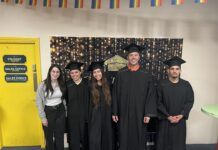

Brazil recently dropped 21 spots in the global English proficiency ranking, raising questions about how the language is taught in the country. To better understand the challenges and explore solutions, we spoke with Vanessa Melo, CEO of SEDA College Brazil and leader of the Brazil Bilingual Project.
Vanessa shares valuable insights into the key issues in English education, how mastering the language impacts professional life, and the innovative initiatives reshaping how Brazilians learn.
Why Doesn’t English Education Work Well in Brazil?
“This drop in the rankings reflects several factors,” Vanessa explains. According to her, the main issue lies in the lack of a practical and immersive approach in schools.
“The focus is on grammar and vocabulary, but there’s not enough emphasis on conversation. Without real-life practice, it’s hard to use the language day-to-day. Many schools also lack proper teaching materials, technology, and, most importantly, qualified teachers. This limits access to quality education.”
Vanessa also points out that many Brazilians see learning English as an obligation, which leads to a lack of motivation:
“People need to realize that learning English is an amazing opportunity, not a burden. The language has the power to transform lives and careers.”
The Importance of English in a Globalized World
Whether it’s for professional growth or exploring opportunities abroad, English is essential. It’s considered a “lingua franca” in international contexts, used in business, technology, tourism, and more.
In the job market, English proficiency is often not just a bonus but a requirement for roles in global companies. Fluent professionals enjoy higher salaries, better job prospects, and opportunities to work remotely for international firms.
“Learning English opens doors to the world. Don’t limit yourself to the local job market. The language can transform your career and your life,” says Vanessa, a language education expert.
SEDA College Natal: Innovating English Education in Brazil
To meet the growing demand for effective teaching methods, SEDA College has brought its expertise to Brazil with a campus in Natal. Offering an innovative two-year programme, the school focuses on developing practical skills such as public speaking, negotiation, and emotional intelligence, alongside language fluency.
“Our target audience includes people who’ve realised that a university degree alone isn’t enough anymore. With our two-year programme, they develop 21st-century communication skills,” Vanessa explains.
During the programme’s final six months, students focus entirely on conversation, ensuring they graduate with confidence in real-world communication. Daily classes, weekly assessments, and constant feedback ensure students’ progress is closely monitored.
Vanessa proudly shares:
“Our method has been recognised internationally as the best in Ireland for three years running. We brought this methodology to Brazil to provide an immersive and accessible experience for everyone.”
The school also offers exclusive teaching materials through the SEDA Journey Box.
“All materials go through rigorous development and approval processes. It’s a methodology that has successfully trained over 30,000 students worldwide.”
The Impact of the Brazil Bilingual Project
Another transformative initiative is the Brazil Bilingual Project (Projeto Brazil Bilíngue), which aims to democratise access to English education across the country. Designed to bring Irish methodology to Brazil, the project has already impacted over 8,000 students in under six months.
Through partnerships with governments and public schools, Brazil Bilingual focuses on teacher training and preparing young people for the global job market. Affordable courses ensure more Brazilians can learn English and improve their quality of life and career prospects.
“The traditional education system in Brazil is ineffective. Most people study English for years and still can’t speak it. Our goal is to make quality education accessible to everyone, no matter where they live. We’re changing lives with this initiative.”
Can Brazil Improve Its Proficiency Ranking?
“It’s crucial to invest in training qualified teachers and adopting methodologies that prioritise practice and conversation,” Vanessa says.
Despite the challenges, she believes Brazil can improve its global English proficiency ranking by focusing on three key areas:
- Investing in teacher training: Skilled educators are essential for effective language instruction.
- Adopting practical, conversation-based methods: Practice is key to fluency.
- Seeing English as an opportunity, not a burden: A shift in mindset is critical to motivate students.
“No one fails at learning English; people just give up. With dedication, you can transform your life and career. Two years from now, you won’t regret investing in yourself.”
Learning English is an Achievable Dream
If you think learning English is out of reach, remember: dedication and persistence are the keys. As the famous quote by Henry Ford goes: “Failure is simply the opportunity to begin again, this time more intelligently.”
Establish a routine, invest in a quality school, and be patient. Over time, your efforts will pay off, and you’ll unlock a world of new opportunities.
Ready to transform your life? Explore our courses at SEDA College and discover how English can take your career and dreams to the next level.