
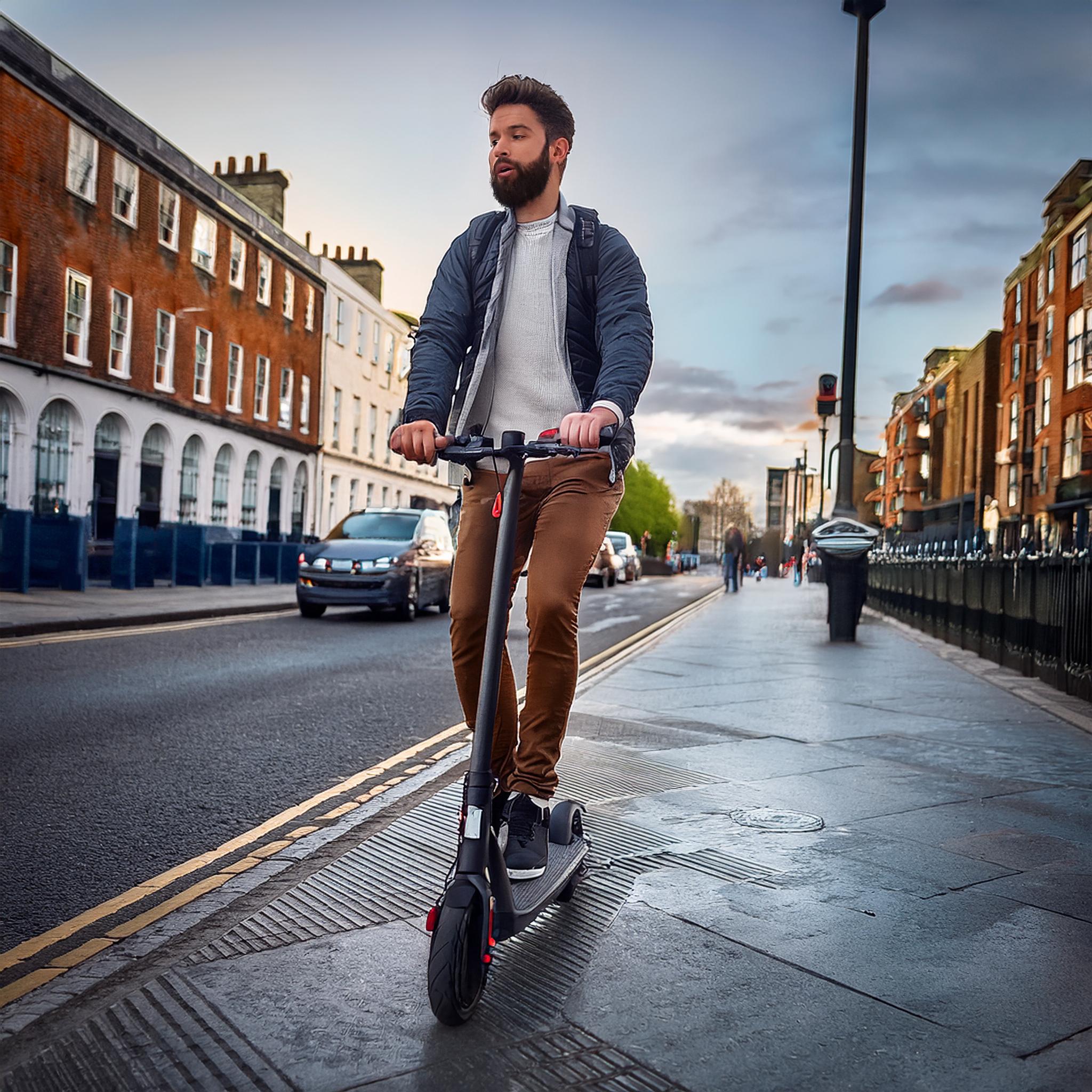
As of October 2024, e-scooters will no longer be allowed on public transport in Ireland. This decision, announced by the National Transport Authority (NTA), stems from safety concerns surrounding the batteries used in many e-scooters. Here’s everything you need to know about the ban and how it may affect your daily commute.
Why Are E-Scooters Banned on Public Transport?
The primary reason for the ban is the potential fire risk posed by the lithium-ion batteries found in e-scooters. These batteries, especially in lower-quality models, have been known to overheat and combust, causing fires. Similar incidents have occurred in other European cities like Madrid and Barcelona, leading to similar bans.
Lithium-ion batteries are widely used in e-scooters due to their lightweight and high energy capacity. However, if these batteries are damaged, improperly charged, or exposed to extreme temperatures, they can become volatile. This has prompted the NTA to take preventive measures to ensure the safety of passengers and transport staff.
What Does the Ban Cover?
The ban on e-scooters applies to all public transport services in Ireland, including Dublin Bus, Bus Éireann, Go-Ahead Ireland, Iarnród Éireann, and the Luas. This means that from October, you won’t be able to bring your e-scooter onto buses, trains, or trams—even if it’s foldable or easy to carry.
It’s important to note that the ban does not extend to e-bikes or mobility scooters, as their batteries have undergone more rigorous testing and do not pose the same level of risk.

How Will This Affect Your Commute?
If you rely on an e-scooter for your daily commute, you’ll need to find an alternative. While e-scooters have become a popular and convenient mode of transport, the ban means you’ll have to leave your scooter at home or find another way to get around.
Here are some options to consider:
- Cycling: If you’re up for some extra exercise, consider switching to a traditional bike or an e-bike, which is still allowed on public transport.
- Walking: If you live close enough to your destination, walking is a great way to stay active and avoid the hassle of transport altogether.
- Public Transport: If you haven’t used public transport before, now might be the time to familiarize yourself with bus and train routes.
What’s Next?
The NTA has stated that the ban will be reviewed periodically, meaning there could be changes in the future. However, for now, the safety of passengers is the top priority.
At SEDA College, we remind all students that e-scooters and bikes are also forbidden inside our campuses. So, whether you’re commuting to class or exploring Dublin, make sure you’re aware of these new rules.
The e-scooter ban on public transport in Ireland is a significant change, especially for those who have embraced this eco-friendly mode of travel. While it might be an inconvenience, the move is aimed at ensuring public safety. Stay informed, plan ahead, and make sure you’re compliant with the new regulations.